What Is Employment Practices Liability Insurance — And When Does It Apply?
An employer follows its handbook, documents a performance problem, and terminates an underperforming employee. Six weeks later, a demand letter arrives alleging age discrimination. Doing everything right as an employer does not prevent a claim, and defending one costs money whether the allegation holds up or not.
Employment practices liability insurance (EPLI) addresses that gap. Knowing what the policy covers, when it responds, and where it stops helps employers judge whether their current program leaves them exposed.
What Is Employment Practices Liability Insurance?
EPLI is designed to cover claims that employees, former employees, and job applicants bring against a business over the employment relationship. Policies pay legal defense costs, settlements, and judgments within the policy’s terms and limits.
Coverage extends to the company, its directors and officers, and its employees. Some forms reach seasonal workers, leased employees, and independent contractors as well.
When Does Employment Practices Liability Insurance Apply?
The policy responds to allegations of wrongful termination, discrimination, harassment, retaliation, and failure to hire or promote. Forms also address employment-related defamation, invasion of privacy, wrongful demotion, and negligent evaluation.
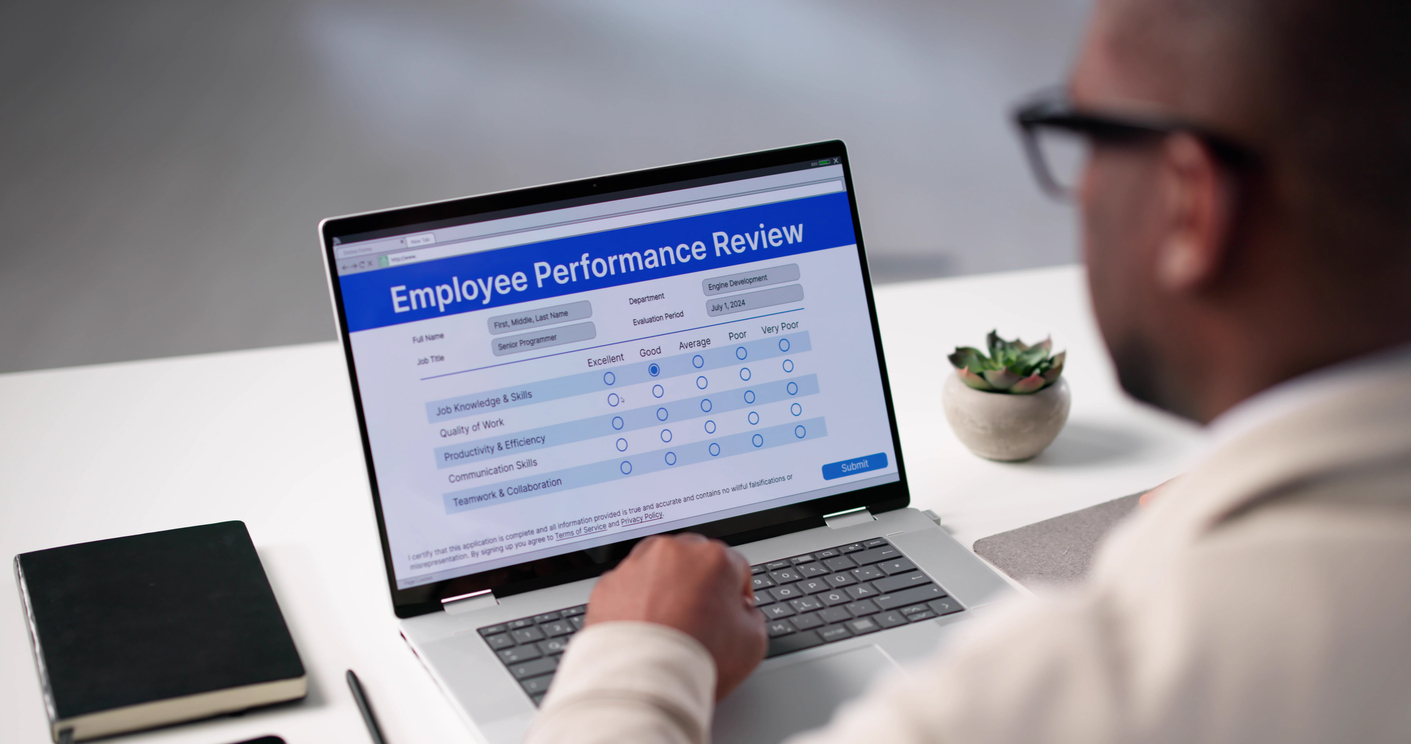
A comment in a performance review, a hiring decision an applicant reads as pretextual, or a schedule change an employee treats as punishment can each turn into a covered claim. Anticipating the claims likely to surface enables employers to prepare for potential disputes.
What EPLI Typically Doesn’t Cover
EPLI does not respond to bodily injury, property damage, workers’ compensation claims, or intentional illegal acts, subject to the specific policy language. EPLI policies exclude indemnity for wage and hour claims, covering neither misclassification nor pay practice disputes. A small number of carriers will fund defense costs for those claims, subject to a sublimit that typically runs $100,000 or $250,000.
Why Businesses Should Consider EPLI
Employment claims are routine. The Equal Employment Opportunity Commission processed 88,201 new discrimination charges in fiscal year 2025, and state agencies handled more.
Small employers, which are less likely to retain employment attorneys or run formal training programs, can be especially vulnerable to claims. Yet they pay the same defense costs as large ones.
Those defense costs come out of the policy limit: EPLI pays the attorneys first and the settlement second. The longer a case takes to resolve, the more of the limit the lawyers use up and the less remains to settle. Set your limit high enough to cover both.
FAQ About Employment Practices Liability Insurance
What is the difference between general liability insurance and EPLI?
General liability answers third-party bodily injury and property damage claims. Employment-related claims sit outside general liability, so employers buy EPLI on a standalone basis or add it by endorsement to a business owners policy or commercial package policy.
What are examples of employment practices liability claims?
Common examples include a terminated manager alleging age discrimination, a rejected applicant alleging discriminatory hiring, or an employee alleging retaliation after reporting a safety concern.
What does EPLI not cover?
Coverage does not extend to bodily injury, property damage, workers’ compensation claims, wage and hour disputes, intentional illegal acts, and the statutory violations named in the policy.
How much does employment practices liability insurance cost?
Premiums track headcount, industry, operating states, claims history, and the limit purchased. Two employers of the same size can price out differently.
Does Your Business Need EPLI?
Any business with employees carries employment-related exposure, and that exposure grows as you add headcount, enter new states, and absorb new workplace regulations. Review your coverage when your workforce changes, not only at renewal. Contact Oakwood Risk for an EPLI coverage review and customized quote.
About Oakwood Risk
Oakwood Risk provides industry-leading insurance services, solutions, and counsel to our clients. Our professionals are valued for their ability to provide outstanding customer service, with a commitment to the relentless pursuit of value-added solutions, results, and comprehensive coverage.